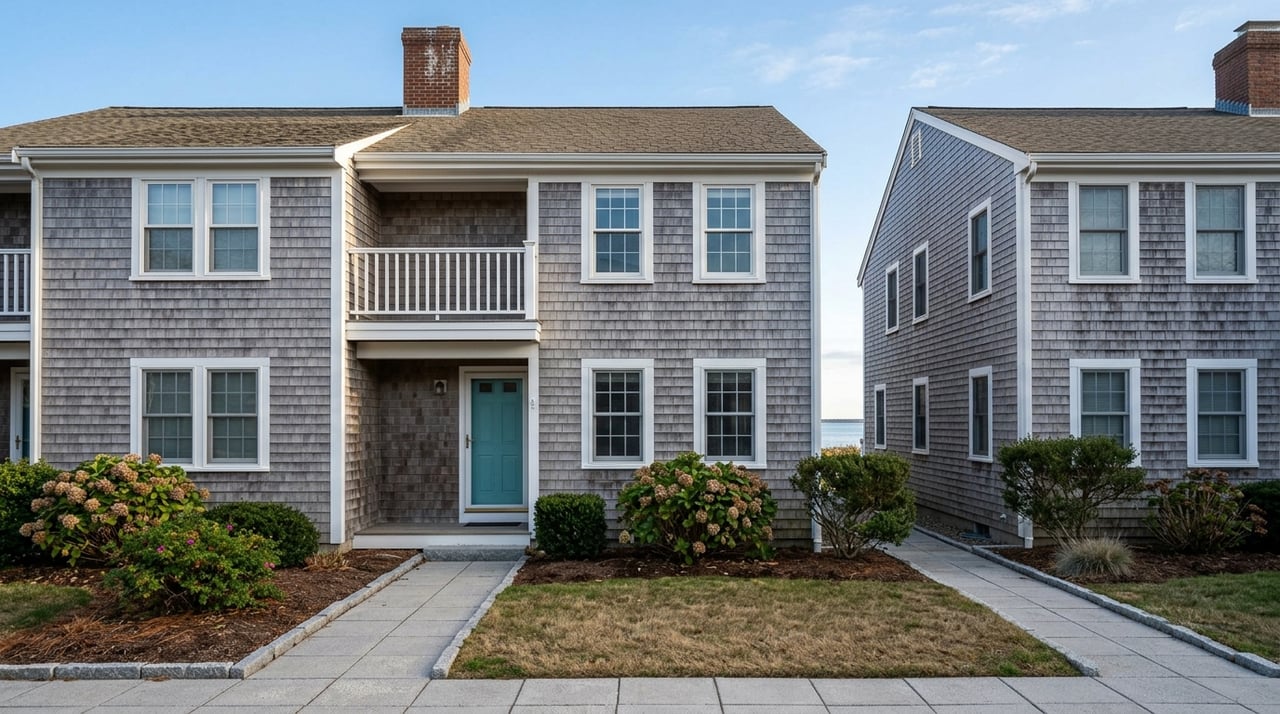
If you picture Cape Cod waterfront living as all upkeep and uncertainty, South Yarmouth may surprise you. In this part of Yarmouth, many buyers are drawn to condos and townhomes because they offer a simpler way to enjoy beaches, boating, and coastal scenery without taking on every exterior task yourself. If you are weighing a second home, a downsize move, or an investment-minded purchase, this guide will help you understand what to look for before you buy. Let’s dive in.
Why South Yarmouth Stands Out
South Yarmouth offers a waterfront lifestyle shaped as much by public access as by private ownership. The Town of Yarmouth notes that it has many saltwater and freshwater beaches, and Bass River Beach in South Yarmouth includes a bathhouse, boat trailer parking, a boat ramp, a fishing deck, and a large parking area.
That matters because a waterfront condo or townhome here is often about convenience and access, not just owning a stretch of shoreline. Yarmouth also maintains municipal moorings, marinas, boat ramps, and other water-access points, which supports the kind of marine lifestyle many Cape buyers want.
What “Waterfront” Can Mean
Not every waterfront condo or townhome offers the same kind of access. Some properties sit directly on the water, some offer views, and others benefit from being near public beaches, boat ramps, or marinas rather than including private waterfront rights.
In Yarmouth, that distinction is especially important. The town says most beaches are open to the general public, while some are resident beaches accessed by town taxpayers with a Yarmouth Beach Sticker. Before you buy, you will want to confirm whether beach and boating access is deeded, shared through the association, or simply nearby public access.
Questions to ask about access
- Is the unit directly on the water, or does it have a waterview only?
- Is beach access private, shared, or public?
- Are there association-owned docks, piers, or kayak storage areas?
- Is there nearby access to municipal boat ramps or moorings?
- Are parking rules different in summer?
How Condo and Townhome Ownership Works
In Massachusetts, the first question is not whether a home looks like a townhouse. The practical issue is whether the property is part of a condominium regime governed by a master deed, unit deed, bylaws, and Massachusetts condominium law under Chapter 183A.
That means a townhome-style property may still be a condo from a legal and financing standpoint. The ownership structure affects your rights, your monthly costs, and what the association can regulate.
Why the documents matter
Association documents can shape everyday ownership more than many buyers expect. They may address use of common areas, pet rules, rental rules, maintenance duties, and other restrictions that directly affect how you use the property.
Massachusetts also states that smoking and vaping are banned in a condominium’s indoor common areas. Beyond that, each community may have its own additional rules, so reading the documents carefully is a key part of due diligence.
Monthly Fees Deserve Close Attention
A waterfront condo or townhome may reduce hands-on maintenance, but it replaces some of that responsibility with shared costs. Condo or HOA dues are usually separate from your mortgage payment, so they should be treated as part of your full monthly carrying cost.
Consumer guidance cited in the research shows that dues can range from a few hundred dollars per month to more than $1,000 per month. On a waterfront property, those costs can feel worthwhile if they cover meaningful upkeep, but you should still understand exactly what you are paying for.
What fees may cover
- Exterior maintenance
- Landscaping
- Snow removal
- Master insurance for common areas
- Trash service
- Water or sewer in some communities
- Maintenance of shared waterfront features or common spaces
The right question is not just “What is the fee?” It is “What does the fee cover, and is the association financially prepared for future work?”
Review Association Finances Carefully
For waterfront condos and townhomes, association health can be just as important as the unit itself. Buyers should review the resale package, operating budget, reserve funding, and any pending or recent special assessments.
This is not just a paperwork exercise. Freddie Mac guidance referenced in the research notes that lender approval can be affected by reserve funding and delinquent assessments, which is one reason lenders closely examine condo project finances.
Red flags to watch
- Low reserve balances
- Recent or pending special assessments
- High owner delinquency rates
- Deferred exterior maintenance
- Unclear responsibility for shoreline-adjacent repairs or drainage work
On Cape Cod, weather exposure matters. If a property faces salt air, wind, flooding risk, or storm-related wear, a well-funded association becomes even more important.
Flood Risk Can Affect Costs
Views and proximity to water often come with tradeoffs. Massachusetts says there is no state law requiring flood insurance, but federally backed lenders must require flood insurance for buildings in FEMA Special Flood Hazard Areas.
For you as a buyer, that means flood risk can affect both financing and your monthly budget. A unit that seems attractively priced may carry added insurance costs that change the true affordability picture.
Flood questions to ask early
- Is the building in a FEMA Special Flood Hazard Area?
- Has the seller shared current flood insurance information?
- Is flood insurance carried by the association, the unit owner, or both?
- How does flood exposure affect lender requirements?
- Have there been recent flooding or storm-related issues in the complex?
Coastal Resilience Matters in Yarmouth
Yarmouth is direct about the long-term realities of coastal ownership. The town’s planning and hazard mitigation work highlights sea-level rise, coastal storm flooding, and related risks, especially in areas south of Route 28.
The town’s coastal hazards information also states that coastal shorelines are dynamic and that many coastal properties face erosion, flooding, and storm-damage risks. For buyers, this is not a reason to avoid the market. It is a reason to buy with open eyes and solid due diligence.
Wetlands and Permitting Are Part of the Story
One of the biggest differences between buying inland and buying near the water is permitting. Yarmouth says the Wetlands Protection Act and the local wetlands bylaw prohibit filling, excavation, and other alterations in wetlands, 100-year floodplains, riverfront areas, and other wetland resource areas without a permit from the local conservation commission.
Even if you are buying a condo rather than a standalone home, those rules can still matter. They may affect landscaping, drainage improvements, shoreline-adjacent work, and changes to common areas.
If a property is near tidal waters and future work could involve docks, bulkheads, or similar waterfront structures, Massachusetts Chapter 91 rules may also come into play. In simple terms, waterfront ownership in the Commonwealth often involves a public-trust framework that affects what can and cannot be built or changed.
Condo or Cottage: Which Fits Better?
For many buyers in South Yarmouth, this is the real decision. A waterfront condo or townhome often appeals because shared ownership can mean less exterior work, more predictable seasonal use, and fewer weekend chores.
A standalone cottage offers more autonomy, more privacy, and more control over the lot. It also places more of the exterior upkeep, storm preparation, and site-specific permitting burden on you.
Quick comparison
| Option | Potential Upside | Potential Tradeoff |
|---|---|---|
| Waterfront condo or townhome | Lower maintenance, shared upkeep, simpler seasonal ownership | Monthly fees, association rules, less control |
| Standalone waterfront cottage | More privacy, more autonomy, more lot control | More upkeep, more direct storm and permitting responsibility |
The right choice depends on how you want to spend your time. If you want more lock-and-leave ease, a condo or townhome may be the better fit.
Rental Plans Need Extra Review
If you plan to rent out the property, confirm both local rules and private association rules. In Yarmouth, all rentals must be registered yearly with the Health Department.
The town’s short-term rental bylaw also broadly includes condominiums and cottages, adds parking and occupancy rules, restricts certain event uses, and is scheduled to expire at 11:59 PM on November 30, 2026. Since local rules can change, it is smart to verify the current town requirements before closing.
Just as important, the condo association may be stricter than the town. A community may limit short-term rentals, pets, smoking, or occupancy in ways that directly affect your plans.
Rental-use checklist
- Confirm annual rental registration requirements with the town
- Review current short-term rental rules before closing
- Check association rental minimums and restrictions
- Verify parking and occupancy limits
- Confirm pet and smoking policies
A Smart Buying Strategy for South Yarmouth
A strong purchase decision in South Yarmouth usually comes down to balancing lifestyle and logistics. The scenery, beach access, and boating infrastructure are part of the appeal, but the best purchase is the one that also works on paper.
As you compare options, focus on five core areas:
- Type of water access
- Monthly fees and what they include
- Association financial strength
- Flood and storm exposure
- Rental and use restrictions
When those pieces line up, a waterfront condo or townhome can offer a compelling Cape Cod lifestyle with fewer maintenance demands than a standalone property.
Buying near the water is about more than a pretty view. It is about understanding the full ownership picture so you can move forward with confidence. If you are considering a waterfront condo or townhome in South Yarmouth, Christa Zevitas offers the local insight, careful due diligence, and full-service guidance that help you make a smart coastal move.
FAQs
What should you review before buying a South Yarmouth waterfront condo?
- Review the master deed, bylaws, resale package, operating budget, reserve funding, special assessments, flood exposure, and any rules on rentals, pets, smoking, and use of common areas.
What do monthly condo fees usually cover in South Yarmouth?
- Fees may cover items like exterior maintenance, landscaping, snow removal, common-area insurance, trash, and sometimes utility-related services, but coverage varies by association.
Can a South Yarmouth townhome still be a condominium?
- Yes. In Massachusetts, a townhome-style property can still be part of a condominium regime, so the legal structure matters more than the building style.
Will flood insurance be required for a South Yarmouth waterfront condo?
- It may be required if the building is in a FEMA Special Flood Hazard Area and the financing is through a federally backed lender.
Are short-term rentals allowed in Yarmouth condos and townhomes?
- Possibly, but you need to verify both town rules and the association’s own documents because local rules can change and condo rules may be stricter.
Why is waterfront due diligence so important in Yarmouth?
- Yarmouth’s coastal setting can involve flooding, erosion, storm exposure, wetlands permitting, and association responsibilities that affect both current use and long-term costs.