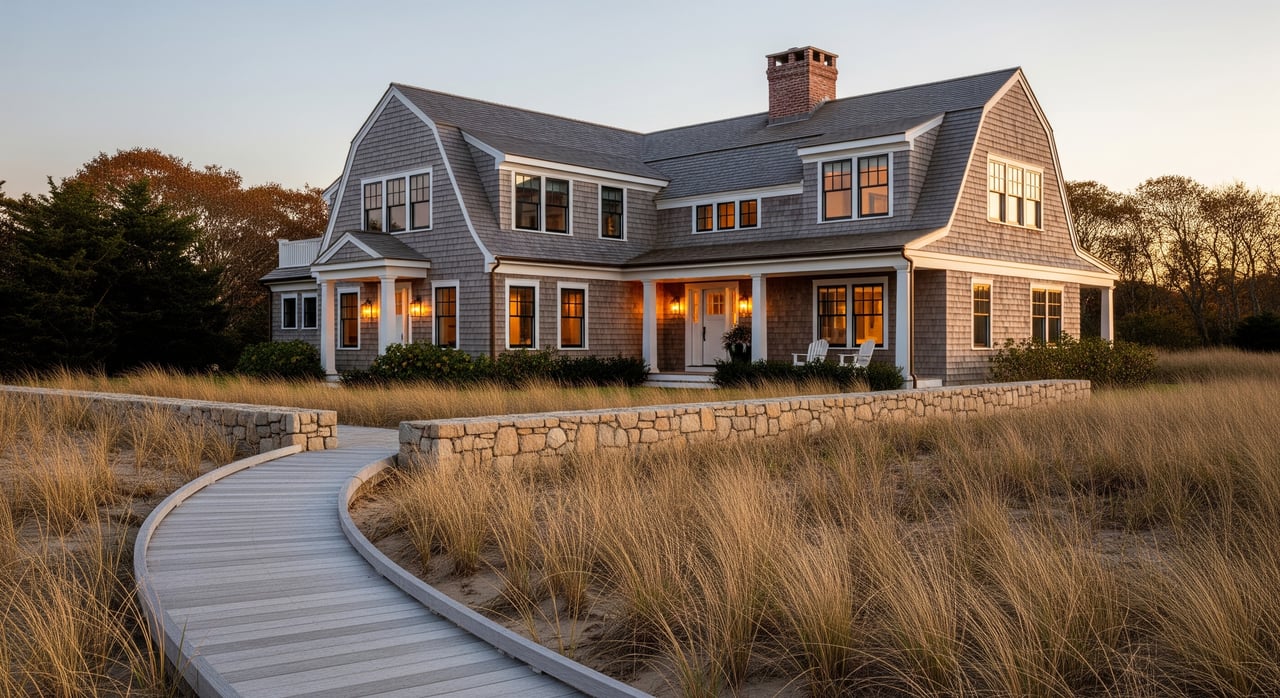
Thinking about making Cape Cod your full-time home? In Chatham, the postcard village, working harbors, and wide beaches shift with the seasons, yet daily life stays welcoming and manageable. In this guide, you’ll learn how 02633 feels month to month, what to expect for schools, healthcare, shopping, and commuting, and what to know about coastal ownership. You’ll also get a clear view of neighborhoods and practical costs so you can plan with confidence. Let’s dive in.
Chatham’s year-round rhythm
Summer highs
From late June through August, Chatham hums. You’ll see a big influx of visitors and second-home owners, and restaurants, shops, and charter boats run at full capacity. Expect more traffic along Routes 28 and 6A, busy beaches, and a reservation culture for dining. Town services such as lifeguards, beach staffing, and seasonal parking enforcement are in full swing.
Shoulder season sweet spot
May to June and September to October bring mild weather and a calmer pace. Many businesses keep expanded hours, and you can still enjoy concerts, markets, and arts events with easier parking and shorter waits. After Labor Day or Columbus Day, some seasonal businesses begin to scale back. It is a great time to settle in, meet neighbors, and explore on foot or bike.
Quiet winters
Winter is peaceful. Some shops and restaurants reduce hours or pause operations, but you can count on town government, schools, and essential services all year. Nor’easters can bring snow and coastal winds, so storm prep, insulation, and a reliable heating system matter. Many locals appreciate the quiet beaches, winter walks, and relaxed pace.
Daily life and amenities
Village conveniences and shopping
Downtown Chatham and the Orleans Road corridor give you year-round essentials: grocery options, a pharmacy, the public library, galleries, and professional services. Seasonal shops and eateries add variety in warmer months. For community happenings and local businesses, the Chatham Chamber of Commerce maintains an events calendar and directory. For permits, town services, and meeting updates, use the official Town of Chatham website.
Schools and learning
Public education is provided through the Monomoy Regional School District, which serves students in Chatham and Harwich. For current programs, enrollment, and performance information, review the Monomoy Regional School District and the Massachusetts Department of Elementary and Secondary Education. Private school options in immediate proximity are limited, so some families consider nearby towns. Always confirm transportation, scheduling, and extracurriculars directly with the district.
Healthcare and emergency services
For hospital care and specialists, most residents use Cape Cod Healthcare facilities, including Cape Cod Hospital in Hyannis. Learn about locations and services through Cape Cod Healthcare. Police, fire, and EMS operate year-round through the town and can be accessed via the Town of Chatham. Urgent care and primary care options are available in regional hubs around the Cape.
Getting around and remote work
There is no direct MBTA commuter rail to Chatham, so driving is the primary mode. Routes 28 and 6A connect you to the Mid and Upper Cape, and trips to Boston typically run 1.5 to 2 or more hours depending on traffic and season. For regional bus service and local routes, the Cape Cod Regional Transit Authority offers schedules and maps. If you work from home, know that cellular and broadband coverage varies by neighborhood, so confirm service with providers before you buy.
Beaches, boating, and wildlife
You have easy access to Hardings Beach, Ridgevale Beach, and Chatham Lighthouse Beach, along with nearby conservation areas. Boaters use harbors like Stage Harbor for access to fishing and sailing. Shark activity is monitored and researched locally; for safety education and current outreach, visit the Atlantic White Shark Conservancy. Off-season beach walks and birding near Monomoy National Wildlife Refuge are a year-round draw.
Housing and neighborhoods
Styles and settings you’ll see
Chatham’s housing leans classic: traditional Cape Cod cottages, shingle-style homes, colonial revivals, and modernized waterfront properties. Many homes started as seasonal cottages and have been renovated for year-round living. Pay close attention to insulation, heating systems, windows, and any septic upgrades when you tour.
Neighborhood options at a glance
- Village and downtown. Walkable access to shops, dining, and the harbor is a premium. Condos and townhomes are more common here than in other areas.
- Harbors and waterfront. Properties near Chatham Harbor and Stage Harbor often command higher prices for views and boat access, and they can face coastal hazard considerations.
- Interior neighborhoods. Larger lots and more privacy can be found inland, which may suit year-round routines and storage needs.
Market feel
Chatham is one of the higher-priced Cape towns, attracting many second-home buyers along with year-round residents. Inventory often skews toward single-family homes, with a smaller set of condos and cottages. For current pricing, days on market, and inventory, review reports from the Cape Cod & Islands Association of REALTORS or request a current market snapshot before you shop.
Owning in 02633: key considerations
Utilities, water, and septic
Parts of Chatham are on town water and, in some areas, sewer, while many properties rely on private wells and septic systems. Sewer access can affect renovation potential and long-term costs. Confirm details with the town’s departments and the Board of Health via the Town of Chatham. If a property has a private system, budget for routine inspections and maintenance.
Flood zones, insurance, and resiliency
Some coastal neighborhoods fall within FEMA-designated flood zones. Lenders may require flood insurance, and wind or hurricane coverage can carry higher premiums in coastal towns. Check maps and designations through the FEMA Flood Map Service Center and review regional sea level rise planning at the Cape Cod Commission. Ask your insurer about deductibles and mitigation credits for features like storm shutters or elevated systems.
Property taxes, HOA fees, and recurring costs
Property tax rates and assessments are set annually. For current information, consult the Assessor’s resources on the Town of Chatham. If you are considering a condo or planned community, review HOA budgets and rules early, since fees can cover plowing, landscaping, and exterior maintenance. Plan for utilities, heating, and coastal upkeep, which can be higher for near-shore properties.
Short-term rental rules
Short-term rental policies vary by Cape town, and rules can change. Before planning any rental activity, verify Chatham’s current requirements for registration, inspections, and tax collection with the Town Clerk or Health Department via the Town of Chatham. Allow time for approvals and be mindful of neighborhood guidelines.
Maintenance and vendor timing
Salt air can accelerate corrosion on HVAC units, exterior fixtures, and roofing. Schedule regular exterior washing, painting, and system checks, especially if the property is near the shore. Local contractors get busy in spring and early summer, so book projects well in advance.
Is year-round Chatham right for you?
If you enjoy a lively coastal summer balanced by peaceful winters, Chatham may fit your rhythm. You get village conveniences, access to beaches and boating, and a strong sense of place, along with the practical realities of coastal ownership and seasonal traffic. With the right home systems and a clear plan for insurance and maintenance, year-round life in 02633 can be both easy and deeply rewarding.
Ready to explore neighborhoods, compare properties, or time a purchase? Connect with Christa Zevitas for concierge-level guidance and a curated path to your Cape Cod home.
FAQs
Can you live in Chatham year-round or is it just a summer town?
- Yes, many residents live in Chatham all year, but expect a busy summer and a quieter winter with some seasonal business closures and reduced hours.
How long is the commute to Boston from Chatham?
- Driving typically takes 1.5 to 2 or more hours depending on season and traffic, since there is no direct MBTA commuter rail to Chatham.
What are the biggest ownership costs beyond the purchase price in Chatham?
- Plan for property taxes, homeowner and flood or wind insurance, utilities and heating, septic or sewer fees, and potential HOA dues for condos or planned communities.
How are public schools in Chatham and where can I learn more?
- Chatham is served by the Monomoy Regional School District; review current programs and metrics via the district and the Massachusetts Department of Elementary and Secondary Education.
Is the ocean safe for swimming given shark activity near Chatham?
- Shark activity is monitored locally; review safety education and current information through the Atlantic White Shark Conservancy before you swim or launch.
Can I rent my Chatham home short-term?
- Possibly, but you should verify current registration, inspection, and tax requirements with the Town of Chatham before listing your property.
Which neighborhoods work best for year-round living in Chatham?
- Preferences vary, but many full-time residents consider the walkable village area, interior neighborhoods with larger lots, or locations with convenient access to services and schools.