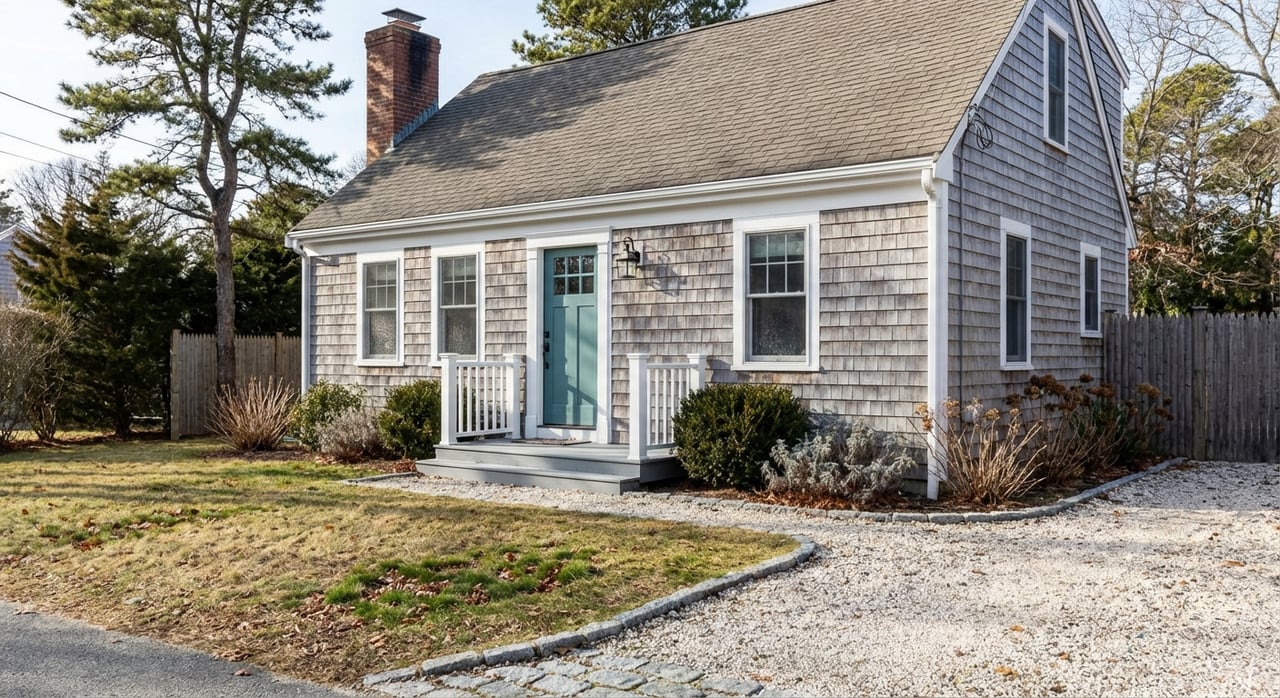
Dreaming about a Cape Cod retreat you can reach on a Friday afternoon? East Sandwich offers historic charm, bay breezes, and easy access from Greater Boston for a true weekend escape. If you want relaxed beach time and a smart long-term asset, getting the details right matters. This guide shows you what to expect on prices, taxes, septic and flood, rental rules, and financing so you can buy with confidence. Let’s dive in.
Why East Sandwich works for a second home
You get classic Cape Cod character along Route 6A, with weathered shingles, quiet lanes, and marsh and bay views that shift with the tide. The town blends history, beaches, and year-round amenities, so you can visit in every season. For a quick taste of local culture between beach walks, explore the exhibits at the Sandwich Glass Museum.
If you are coming from the city, the drive is straightforward. See the driving distance from Boston to Sandwich to map your route and timing around weekend traffic.
What your budget buys in East Sandwich
Market snapshots can look different depending on whether you review median sale price, median list price, or a home-value index. Recent samples in early 2026 show East Sandwich median sale prices around $1.12M, Sandwich median listing prices near $899,000, and a townwide value index closer to $660,000. The takeaway is simple: always confirm the exact metric and the date on any price you use before you decide.
Here is a practical way to think about budget ranges you will see in Sandwich:
- Entry second homes: inland cottages, smaller condos, or older ranches away from the water, roughly $300k to $600k.
- Mid-market homes: 2–3 bedroom homes within a short drive to beaches or the marina, roughly $600k to $1.2M.
- Premium options: waterfront, bayfront, or larger historic homes along the Route 6A corridor, typically $1M+ with strong premiums for direct water access.
Typical property types
- Year-round single-family homes, including historic houses along Route 6A.
- Bay-side cottages and properties with water access.
- Condos and townhomes, though inventory is smaller than single-family.
- Newer builds and tasteful renovations that offer value-add potential.
Plan for seasonality and rentals
Sandwich follows Cape Cod’s strong summer cycle, with peak activity from late May through early September. That affects traffic, restaurant and service hours, and rental demand. If you plan to rent your home part of the year, it pays to understand peak weeks and off-season shoulder periods. County resources on coastal risk and community programs provide helpful context on local patterns and planning tools across the Cape. Review the county’s overview of coastal processes and flood programs on Barnstable County’s Coastal Processes page.
Short-term rental rules and taxes
- Registration in Sandwich: If you intend to rent for short stays, the town requires you to register your property and complete an annual inspection. See the town’s step-by-step process and contacts on the Short-Term Rental Registration page.
- State and local taxes: Massachusetts applies a room occupancy excise to stays of 31 days or less, and towns may add a local excise, a community impact fee, and the Cape Cod & Islands Water Protection Fund fee. Marketplaces may collect some taxes, but you are still responsible for proper registration and remittance. Review the state rules in 830 CMR 64G.
Practical steps if you plan to rent:
- Confirm the property’s STR registration status with the town before you sign.
- Ask for prior rental history, typical weekly rates, and occupancy by month.
- Check any HOA rules or neighborhood covenants for rental limits.
Must-do due diligence for coastal property
Title 5 septic and wells
Many Sandwich homes are on septic systems. Massachusetts Title 5 typically requires an inspection at property transfer, and local boards of health keep the records. Always request a current Title 5 report and any service history. If the property has an I/A (innovative/alternative) system, ask for the maintenance contract and operating costs. See state guidance on inspections and I/A systems on Mass.gov’s Title 5 resource. To find the local health office contact, use the Barnstable County town health department list.
If the property uses a private well, add comprehensive water testing to your inspection plan. Typical panels include bacteria and nitrate testing, with additional tests based on local conditions.
Flood maps and insurance
Start your flood review early. Use the town’s resource hub to look up FEMA panels and flood zones at the Sandwich floodplain and FEMA map page. If the home is in a Special Flood Hazard Area, you will likely need flood insurance. Sandwich participates in FEMA’s Community Rating System, which can provide a notable discount on NFIP premiums. Learn more about CRS context and mitigation programs on Barnstable County’s Coastal Processes page. Always get address-specific quotes for homeowners and flood insurance before you finalize your offer terms.
Permits, zoning, and historic review
Ask the Sandwich Building Department for the permit history, certificates of occupancy, and any open permits. Exterior work on homes in the Old King’s Highway historic district typically requires review and approval. Waterfront or marsh-adjacent lots may also have conservation buffers that limit expansions or site work. Start with the Building Department and the town’s Planning, Zoning, and Conservation contacts to confirm what is allowed at the address you are considering.
Costs to expect beyond the purchase price
Property taxes and how to estimate
Sandwich’s FY25 tax rate is published as $10.57 per $1,000 of assessed value, with a Sandwich Water District assessment of $0.42 per $1,000. Here is how that looks:
- At a $600,000 assessed value: town tax about $6,342 plus water district about $252, for roughly $6,594 per year.
- At a $900,000 assessed value: town tax about $9,513 plus water district about $378, for roughly $9,891 per year.
Use the current assessed value and the most recent rates for your estimate. You can find rate information on the town’s Community Profile, and verify numbers with the Assessor before closing.
Insurance, utilities, and maintenance
Expect these recurring items for a vacation property:
- Homeowners insurance, plus flood insurance if required by your lender or desired for risk management.
- Utilities: electricity, water or well maintenance, and often oil or propane for heat. Find local service context on the town’s Community Profile.
- Seasonal services: lawn care, plowing, landscaping, and winterization/de-winterization.
- Repairs and capital items: roof, windows, bulkhead, deck, and septic components.
A conservative rule of thumb is to budget 1 to 2 percent of property value per year for maintenance and repairs. Plan higher for older or waterfront homes and confirm quotes with local vendors.
Financing a second home
Second-home loans often have stricter terms than primary-residence loans. Many conforming programs require around 10 percent down at minimum, with many buyers choosing 15 to 20 percent to improve pricing and avoid some overlays. Lenders commonly look for reasonable debt-to-income ratios, often below 43 to 45 percent, and may ask for 2 to 6 months of reserves. Rates are usually a bit higher for second homes compared to primary residences. Speak with a mortgage professional early to verify current requirements and lock the right strategy for your profile.
A simple rental math framework
If part of your plan is to rent, build a quick pro forma before you buy. Use conservative numbers and check them with actual quotes.
- Estimate gross income: expected nightly or weekly rate times realistic occupied nights or weeks by season.
- Subtract operating costs: cleaning, linens, landscaping, utilities, property management, STR registration and inspection fees, and supplies.
- Add taxes and insurance: property tax, homeowners, and flood if applicable.
- Include debt service and reserves: principal and interest, plus a reserve for repairs and capital improvements.
- Check net: make sure the net supports your goals and factor in seasonality and wear and tear.
How a local advocate protects your purchase
A second home is both a lifestyle move and a serious investment. You deserve clear answers on septic, flood exposure, rental rules, and what each neighborhood can support over time. With a hands-on, research-driven approach and polished presentation standards, Christa Zevitas helps you compare options, verify details with local offices, and secure the right Cape Cod home with confidence.
FAQs
What should I know about buying a second home in East Sandwich?
- Expect seasonal rhythms, verify septic and flood details early, and review short-term rental registration and taxes if you plan to host guests.
How do I confirm a home’s flood zone and insurance needs in Sandwich?
- Look up FEMA panels using the town’s floodplain map resource and request an elevation certificate, then get quotes from insurers.
What is a Title 5 inspection and why is it important on Cape Cod?
- Title 5 governs septic systems; inspections are typically required at property transfer, and you should review the full report and maintenance history per state guidance.
Can I use my East Sandwich home as a short-term rental?
- Yes, but you must register with the town and complete inspections, and you must comply with state and local room occupancy excise rules; start with the town’s STR page.
How are property taxes calculated in Sandwich, MA?
- Multiply the assessed value by the town tax rate, then add the Sandwich Water District assessment; see current figures on the Community Profile.
What ongoing costs should I budget as a second-home owner?
- Plan for property taxes, insurance, utilities, seasonal services, and a maintenance reserve of about 1 to 2 percent of the property’s value each year.