Thinking about selling your Orleans waterfront home? Buyers come for Rock Harbor sunsets, Nauset’s Atlantic drama, and the wide Skaket flats on Cape Cod Bay. You want to capture that emotion while also navigating permits, flood zones, and mooring questions with confidence. In this guide, you’ll learn how to prep your home, what documents to gather, how to stage for maximum impact, and when to list for strong results. Let’s dive in.
Orleans waterfront, at a glance
Orleans offers distinct waterfront experiences. Rock Harbor and Town Cove attract boaters who value protected waters and reliable depth, while Nauset-side homes trade on ocean views and beach access. Skaket-facing properties highlight big-sky sunsets, tidal flats, and family-friendly beach days. The Cape Cod Commission’s profile of Rock Harbor reinforces why this working harbor remains a magnet for buyers who love boating and classic Cape scenery.
Know what buyers expect
Today’s premium waterfront buyers tend to prioritize:
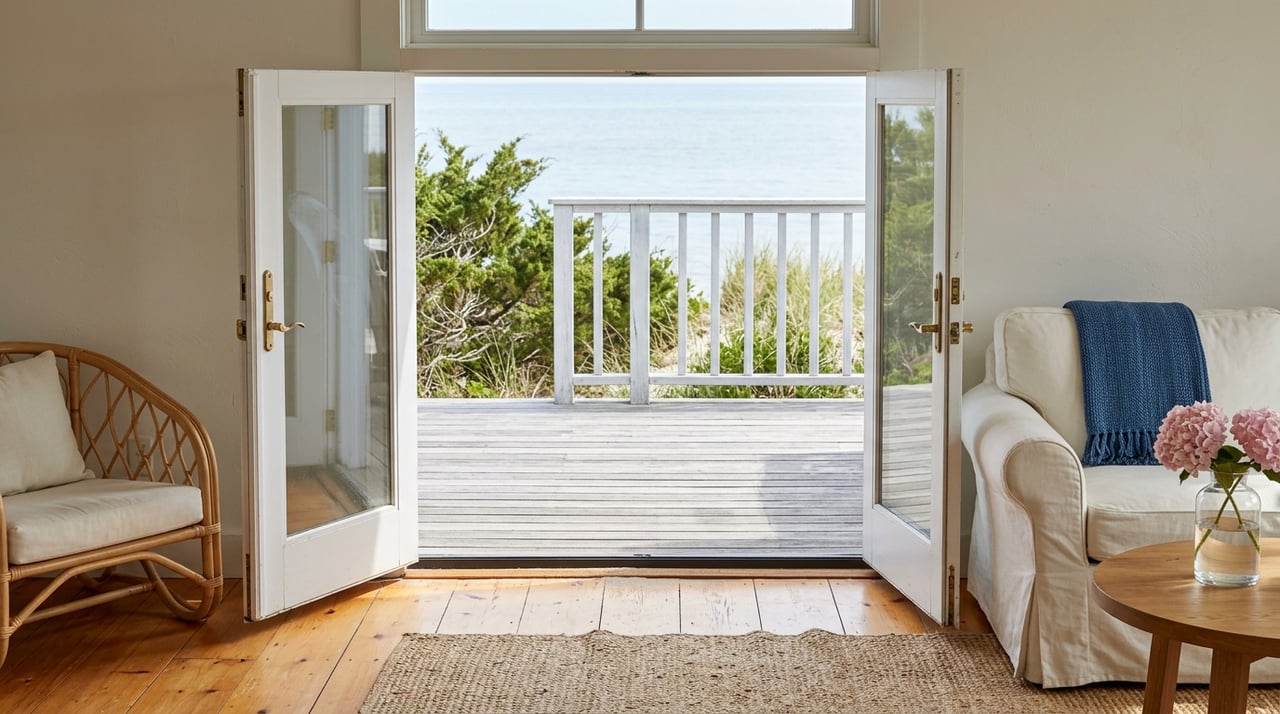
- Open, unobstructed sight lines to the water from main rooms.
- Clear, documented water access such as deeded rights or permitted docks.
- Reliable boating info, including depth, mooring availability, and any tidal limits.
- Resilience features like elevation, permitted shoreline structures, and elevation certificates.
- Salt-tolerant, low-maintenance landscaping and durable exterior finishes.
Your job is to present these strengths clearly and support them with clean documentation. That combination builds trust and helps protect your price.
Before you list: permits and key documents
Waterfront in Orleans sits within a layered regulatory setting. Pulling paperwork together early reduces surprises and speeds buyer decisions.
- Flood zone details. Confirm your FEMA Flood Insurance Rate Map panel, zone designation, and any Elevation Certificate. The town’s page explains where to find your panel and flood info. Share the panel number and effective date in your disclosure packet. See the Town of Orleans FEMA flood map information.
- Septic or sewer. Have your Title 5 inspection report or sewer connection documentation ready. The local code outlines Board of Health enforcement for onsite systems and connections. Review the Orleans regulations for septic and Board of Health.
- Docks, seawalls, and shoreline work. Collect all Conservation Commission Orders of Conditions, as-builts, and any state waterways licenses. Chapter 91 may apply to docks, piers, or other structures in flowed tidelands. Learn more from MassDEP’s Chapter 91 Waterways program and keep copies of recorded licenses in your file.
- Moorings and harbor use. Buyers ask about mooring permits, waitlists, and transfer rules. Print current mooring assignments and any correspondence. Start with the Orleans Harbormaster.
- Shoreline and vegetation notes. In Orleans, many activities within 100 feet of resource areas require review. Even pruning to open a view can trigger filings. Use the Conservation Commission as a first call for guidance, and read local context on the Orleans Conservation Trust’s town resources.
- Condition reports and surveys. If available, include a recent coastal engineer’s inspection for any shoreline structures, plus a survey showing mean high water and any easements. Buyers appreciate clarity on boundaries and shared access.
Simple staging that sells the view
Staging should guide a buyer’s eye to the water and make every indoor-outdoor transition feel natural.
- Lead with sight lines. Arrange seating in living and dining areas to face the water. Remove tall pieces that block windows. Keep window treatments simple and pulled back.
- Create a hero outdoor room. Stage your deck, bluestone patio, or dock landing as a relaxed living space. Add coordinated cushions, a clean outdoor rug, and a small cafe table to suggest morning coffee by the water.
- Unclutter and neutralize. Edit personal items and use a calm coastal palette so the landscape does the talking.
- Keep it fresh. Deep clean windows, screens, rails, and glass doors. Salt spray shows in photos.
According to the National Association of REALTORS, staging helps buyers visualize a property and is associated with shorter days on market and small but meaningful price improvements. Use this data to justify a professional plan for your home. See the NAR report on staging and sale outcomes.
Curate views with care
Opening a view can be high impact, but follow local rules.
- Trim selectively. Lower or replace tall shrubs that block primary windows with low, salt-tolerant plantings.
- Check before you cut. Work near coastal banks, dunes, or within buffer zones often needs Conservation review. Start with local guidance on the Orleans Conservation Trust’s town resources.
- Think resilience. If you plan shoreline work, Orleans conservation policies scrutinize new hard armoring on eroding banks and expect alternatives and mitigation where feasible. Review the local standards for coastal structures in the Orleans code before you act.
Photography that captures Orleans
Your first showing is online. Invest in a best-in-class shoot that turns browsers into showings.
- Choose the right angles. Lead with wide shots that frame the water from your main rooms. Show the path from kitchen or living room to the deck so buyers feel the flow.
- Watch the tide. Plan exterior photos around the tide state that flatters your shoreline. Skaket often shines at mid to higher tide, while a sandy stretch may show best at lower water elsewhere. Note any dock or float access windows if relevant.
- Time the light. Early morning or late afternoon brings softer water reflections and warmer tones. Twilight exteriors can add drama, but keep them natural.
- Add aerials with a pro. Aerials help buyers understand your setting and proximity to beaches or coves. Hire a licensed Part 107 pilot who follows FAA rules and Remote ID requirements. Learn more about commercial drone rules from the FAA’s Part 107 resources.
Tip: Pair your visuals with a measured floor plan and a short, steady walkthrough video. Clear labeling helps online buyers connect the dots.
Timing your launch for peak demand
Cape Cod buyer interest follows the seasons. Many second-home and vacation-focused buyers start hunting in late winter and early spring to position for summer. Rental-oriented buyers often evaluate listings during the January to March planning window. If you want a summer closing, plan to complete staging, media, and disclosures in late winter so you can hit the spring market.
Market activity across the Cape has stabilized compared with the ultra-tight 2020 to 2022 stretch, with pricing showing strength and days on market somewhat longer. For context and up-to-date trends, read the CCIAOR year-end report on a stabilizing market. Your pricing strategy should reflect current town-level data and your home’s specific waterfront features.
Pricing for waterfront nuance
Two nearby Orleans properties can have very different values based on water type, access, elevation, and permits. Consider:
- Water body specifics. Oceanfront views carry a different profile and insurance reality than protected coves. Boaters value depth, dredging history, and mooring certainty.
- Permitting and paperwork. A permitted dock, documented Chapter 91 license, and clean Conservation history add confidence for buyers.
- Resilience and costs. Elevation certificates, shoreline condition, and insurance quotes inform both price and buyer pool.
Your agent should analyze recent waterfront comps by neighborhood and water body, not just by distance to the shore. Expect a pricing conversation grounded in data and the unique attributes of your lot and improvements.
Don’t forget: quick seller checklist
- FEMA FIRM panel, zone, and any Elevation Certificate. Refer to the Town of Orleans flood map information.
- Title 5 septic inspection or sewer connection paperwork. See the Orleans Board of Health regulations.
- All Conservation filings and as-builts for any shoreline work.
- Any recorded Chapter 91 license for docks or tideland structures. See MassDEP Waterways.
- Harbormaster mooring assignments and waitlist status. Start with the Orleans Harbormaster.
- Recent survey with mean high water and easements.
- Maintenance or engineering reports for seawalls, riprap, or docks.
How to handle common permit paths
If you need to clarify or update anything before listing, start early.
- Docks or floats. Speak with the Harbormaster about mooring or float rules first. Then expect Conservation review, and in many cases Chapter 91 licensing if work occurs in flowed tidelands. Some licenses must be recorded.
- Seawalls and bank protection. Orleans emphasizes natural processes where practical. New or hardened shoreline structures on eroding banks face close scrutiny and often require alternatives and mitigation. Read the local coastal standards and consult a coastal engineer.
- View pruning. Even limited pruning near coastal banks or within buffer zones can require an RDA. Confirm with the Conservation office before work to avoid violations. For local context, see Orleans Conservation Trust resources.
Smaller Conservation filings can move relatively quickly, while full Notices of Intent or state waterways licensing can take weeks to months. Build this into your timeline.
Build your Orleans team
Waterfront success takes the right specialists. Consider engaging:
- A full-service local listing agent with waterfront experience.
- A licensed surveyor for boundary and mean high water confirmation.
- A wetland scientist or coastal engineer for shoreline reviews.
- A Title 5 inspector for septic compliance.
- A professional stager and architectural photographer.
- A licensed Part 107 drone operator for compliant aerials.
Permitting can be complex across Conservation, Chapter 91, and harbor authorities. Specialists help you present a clean, verifiable story that buyers and their attorneys can trust.
Launch with confidence
When you pair clear documentation with thoughtful staging, tuned photography, and a spring-focused timeline, you position your Orleans waterfront home to shine. As market activity normalizes, the best-prepared listings still rise to the top with shorter timelines and stronger offers. If you want a partner who combines presentation excellence with meticulous due diligence, connect with Christa Zevitas to plan your sale.
FAQs
When is the best time to list a waterfront home in Orleans?
- Late winter through early spring positions you to capture buyers planning for summer, including second-home and rental-focused purchasers who typically make decisions between January and March.
What documents do I need for my dock or seawall before selling?
- Gather Conservation approvals, as-builts, and any Chapter 91 licenses, plus maintenance or engineering reports that describe current condition and compliance.
How do flood zones and elevation certificates affect my sale?
- Lenders often require flood insurance in Special Flood Hazard Areas, so provide your FEMA FIRM panel and any Elevation Certificate to help buyers and insurers quote accurately.
Can my Orleans mooring transfer to a buyer?
- Mooring permits and transfer rules are managed by the Harbormaster; share your current assignment details and confirm any transfer or waitlist policies in writing.
Do I need a permit to trim trees for a better view?
- Trimming near coastal banks, dunes, or within 100 feet of resource areas can require Conservation review, so clear any pruning plan with the Conservation office first.
Should I invest in professional staging and aerial photography?
- Yes; NAR data links staging to shorter market time and modest price lift, and pro aerials clarify setting and access while complying with FAA rules for commercial drone work.