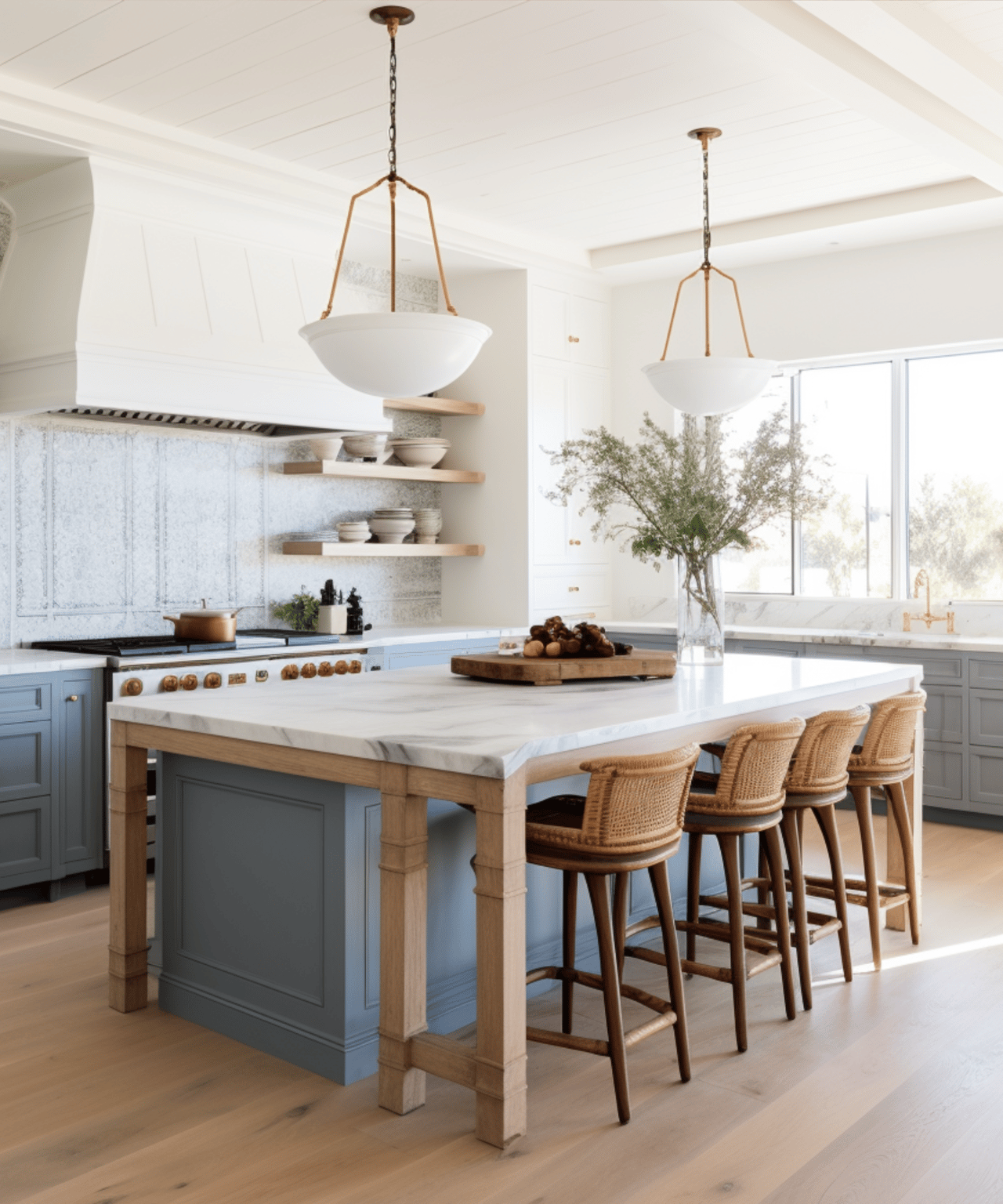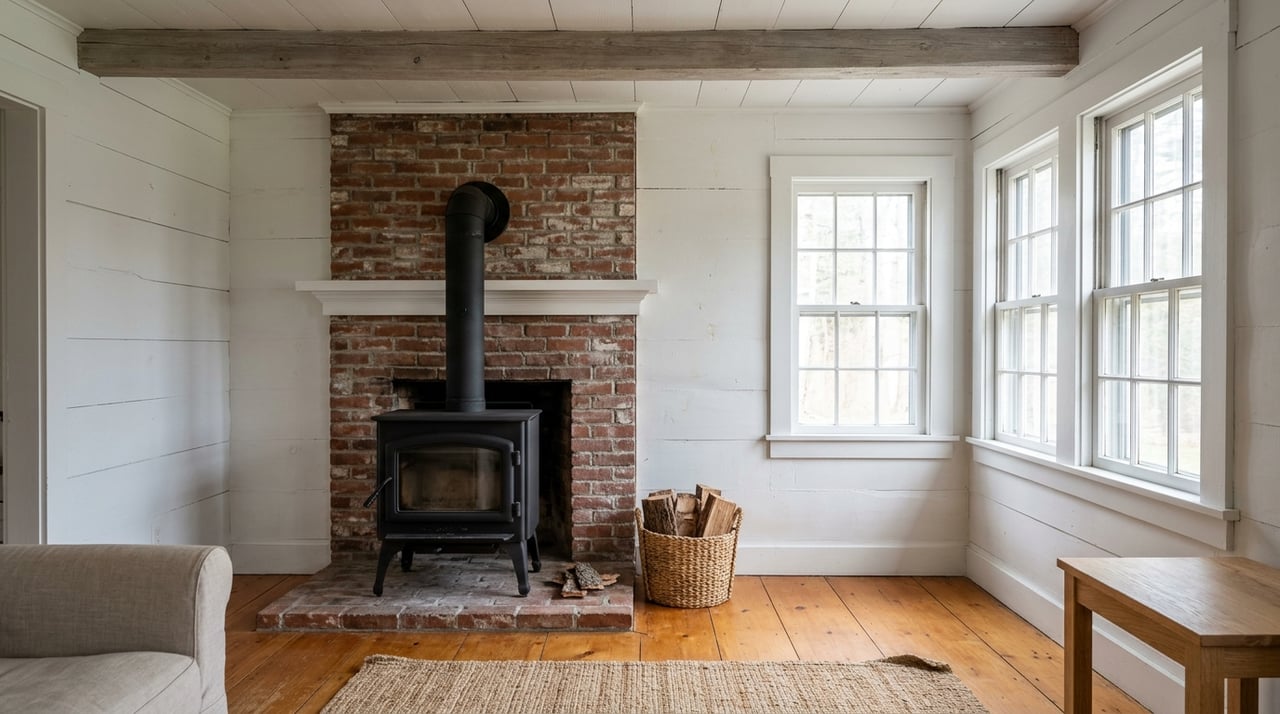
Are you picturing an Eastham cottage as a carefree summer escape, only to wonder what happens when November turns to January? In Eastham, that question matters more than many buyers expect. A cottage can offer classic Cape Cod charm, but seasonal versus year-round ownership affects how you use the property, maintain it, insure it, and evaluate it before you buy. If you are weighing a second home, rental property, or future year-round retreat, this guide will help you understand the practical differences so you can move forward with confidence. Let’s dive in.
Why the distinction matters in Eastham
Eastham is not just any coastal market. The town’s zoning language specifically notes that the majority of housing units are seasonal units and second homes, and it defines seasonal as April 1 through November 30. That local framework shapes how cottages are understood and how buyers should approach them.
In practice, seasonal versus year-round ownership is about much more than your preferred lifestyle. It can affect winter heating needs, private well shut-downs, rental registration, inspection timing, and whether a property can support the use you have in mind after the summer season ends.
Eastham’s coastal setting adds another layer. Cape Cod Commission material notes that Eastham has about 29 miles of coastline, and the town has identified flood exposure as a meaningful issue, with a 2025 climate announcement stating that 20% of Eastham properties are in the Special Flood Hazard Area.
What Eastham means by cottage
Under Eastham’s zoning bylaw, a cottage is an existing structure of at least 500 square feet with at least one floor, one bedroom, a living room, a kitchen, and a bath or toilet room. The bylaw describes it as a structure designed for temporary, transient, seasonal living.
That definition is important because buyers sometimes assume that a charming cottage can function like a full-time home without much change. In Eastham, the legal and practical use of a cottage may be more limited than its appearance suggests.
If you are looking at multiple detached cottages on one lot, the town may classify that property as a cottage colony. That creates a different ownership and use context, especially if rental income is part of your plan.
Seasonal ownership in practice
A seasonal cottage can be a strong fit if your goal is straightforward: enjoy Eastham during the warmer months, close the property carefully for winter, and keep ownership focused on the classic Cape experience.
For many buyers, that means fewer expectations for cold-weather performance. Instead of asking whether the home feels comfortable in February, you are asking whether it can be safely shut down, protected, and reopened without major issues.
Key questions for seasonal use
When you consider a seasonal Eastham cottage, focus on these issues:
- Is the property legally seasonal under local rules?
- Is it served by town water or a private well?
- If there is a private well, what is the winter shut-down process?
- Will your intended rental use require annual rental registration or inspections?
- Are there occupancy limits or other local use rules that apply?
Eastham’s rental program specifically includes guidance for properties with private wells that are shut down for winter. That tells you something important about local ownership realities: off-season water management is not a minor detail here.
Seasonal can still involve regulation
Some buyers hear “seasonal” and assume there are fewer town requirements. That is not always the case. If you plan to rent the property, Eastham requires annual rental registration through the Health Department, and rental properties are inspected for compliance with the Massachusetts housing code and to determine occupancy.
The town’s rental rules also distinguish between year-round rentals, seasonal rentals, short-term rentals, accessory dwelling units, and cottage colonies. In other words, how you plan to use the property matters just as much as how the property looks.
Year-round ownership in practice
If you want to spend time in Eastham beyond the summer season, or you are searching for a home that can support full-time occupancy, your checklist changes significantly.
A year-round-capable property needs to function safely and reliably through the heating season. That means you are not simply buying character or location. You are also buying systems, weather resilience, and everyday livability.
What year-round capability really means
Massachusetts winter-heating rules require a heating system that can keep every habitable room, plus every room with a toilet, shower, or bathtub, at at least 68°F during the day and 64°F overnight from September 15 through May 31.
That standard gives buyers a practical benchmark. If a cottage cannot support that kind of performance, it may not align with your expectations for year-round use.
Eastham rental inspections also look at basics that matter to any owner, including:
- Smoke alarms and carbon monoxide alarms
- Hot water
- Labeled electrical panels
- Functioning doors, windows, and locks
- Minimum sanitary conditions
Even if you do not plan to rent the property, this list is helpful because it reflects the core systems and safety items that deserve close review.
Eastham uses “seasonal” in more than one way
This is one of the most useful details for buyers. Eastham uses the word seasonal in more than one context, and those meanings are not identical.
In the zoning bylaw, seasonal is defined as April 1 through November 30. In the town’s rental program, a seasonal rental is more than 31 days and less than 12 consecutive months.
That difference can affect how you interpret a listing, plan occupancy, or evaluate a rental strategy. A property may be described casually as seasonal, but you still need to confirm what that means under the specific local rule that applies.
Water, septic, and winter systems
In Eastham, the systems behind the walls often matter as much as the cottage itself. This is especially true when you are deciding whether a property is best suited for summer use or for year-round living.
Private wells and winter shut-downs
If a cottage is served by a private well, ask how the system is managed during the off-season. Eastham’s rental guidance specifically addresses wells that are shut down for winter, which signals that this is a routine but important ownership concern.
For a seasonal owner, a proper winter shut-down process may be part of the normal rhythm of ownership. For a year-round owner, you will want confidence that the water system is dependable through colder months.
Septic compliance matters
Septic is another major checkpoint. Eastham’s zoning bylaw notes that certain year-round two-family dwellings in Districts A and E may be allowed on lots of 40,000 square feet or more after site plan review, with a recorded covenant for year-round rental or owner occupancy, and septic systems must meet current Title 5 standards with approval by the Health Agent.
More broadly, Massachusetts Title 5 governs the siting, construction, inspection, upgrade, and maintenance of on-site sewage treatment and disposal systems. For any cottage purchase, septic status should be part of your early due diligence, not an afterthought.
Rental and investment considerations
If rental income is part of your ownership plan, local rules deserve careful attention before you buy.
Eastham requires annual rental registration for rental properties through the Health Department. The town also requires water-quality proof for properties not served by town water, and inspections are used to confirm code compliance and occupancy.
Short-term rental limits
Eastham limits an owner to two short-term rental dwelling units. The exception is a cottage colony under single ownership, where that limit does not apply.
The town also prohibits corporate ownership of short-term rentals in corporation-owned dwelling units. If you are buying with an investor mindset, those rules should be reviewed early so your ownership structure and rental plan match local requirements.
Coastal risk and insurance questions
In Eastham, coastal conditions should be part of every cottage conversation. A home near the shore may deliver the setting you want, but it can also come with added flood exposure, erosion concerns, and long-term maintenance planning.
Standard homeowners insurance does not cover flood damage. Buyers should confirm whether a property is in a floodplain and whether flood insurance may be required or advisable.
For near-shore and waterfront properties, elevation and erosion conditions can also shape long-term ownership costs and decision-making. This is especially relevant in a town where a meaningful share of properties are within the Special Flood Hazard Area.
Questions to ask before you buy
Whether you are searching for a summer cottage or a home with four-season potential, these are the questions that can clarify fit early:
- Is the property legally seasonal, year-round, or part of a cottage colony?
- Does your intended use trigger rental registration or occupancy rules?
- Is the home on town water or a private well?
- If there is a private well, how is it shut down and restarted seasonally?
- Is the septic system Title 5 compliant?
- Can the heating system support winter habitability standards?
- Is the property in a floodplain?
- Will flood insurance be required or advisable?
- If you plan to rent, does your strategy fit Eastham’s short-term rental limits and ownership rules?
A careful answer to those questions can help you avoid buying a cottage that looks ideal in July but feels complicated by December.
How to choose the right ownership path
A seasonal cottage may be the right fit if you want a warm-weather retreat, value a simpler occupancy pattern, and are comfortable with winter shut-down procedures and off-season maintenance planning.
A year-round property may be the better choice if you want flexibility beyond summer, expect consistent heating and utility performance, and are prepared to evaluate code, systems, septic, and flood exposure more closely.
Neither option is inherently better. The right choice depends on how you plan to use the property, whether rental income matters, and how much year-round functionality you want from day one.
In a market like Eastham, the most successful buyers pair the romance of a Cape cottage with disciplined local due diligence. That is often the difference between a home that simply looks the part and one that truly supports your goals.
If you are comparing Eastham cottages and want clear guidance on seasonality, rental rules, flood exposure, and year-round potential, Christa Zevitas can help you navigate the details with a thoughtful, locally informed approach.
FAQs
What does seasonal mean for an Eastham cottage?
- In Eastham zoning, seasonal is defined as April 1 through November 30, but in the town’s rental program, a seasonal rental means more than 31 days and less than 12 consecutive months.
Can you live year-round in every Eastham cottage?
- Not necessarily. A cottage may be designed for temporary or seasonal living, so you should confirm legal use, heating capability, water systems, septic compliance, and any permitting needs before assuming year-round occupancy is possible.
What should you check if an Eastham cottage has a private well?
- You should ask whether the property uses town water or a private well, and if it has a private well, what the winter shut-down, restart, and water-quality testing process involves.
Do Eastham rental cottages need town registration?
- Yes. Eastham requires annual rental registration through the Health Department for rental properties, along with inspection and occupancy review requirements.
Are flood risks important when buying an Eastham cottage?
- Yes. Eastham has extensive coastline, and the town has stated that 20% of properties are in the Special Flood Hazard Area, so buyers should review floodplain status and insurance implications early.
What should investors know about Eastham short-term rentals?
- Eastham limits an owner to two short-term rental dwelling units, except for a cottage colony under single ownership, and the town prohibits corporate ownership of short-term rentals in corporation-owned dwelling units.