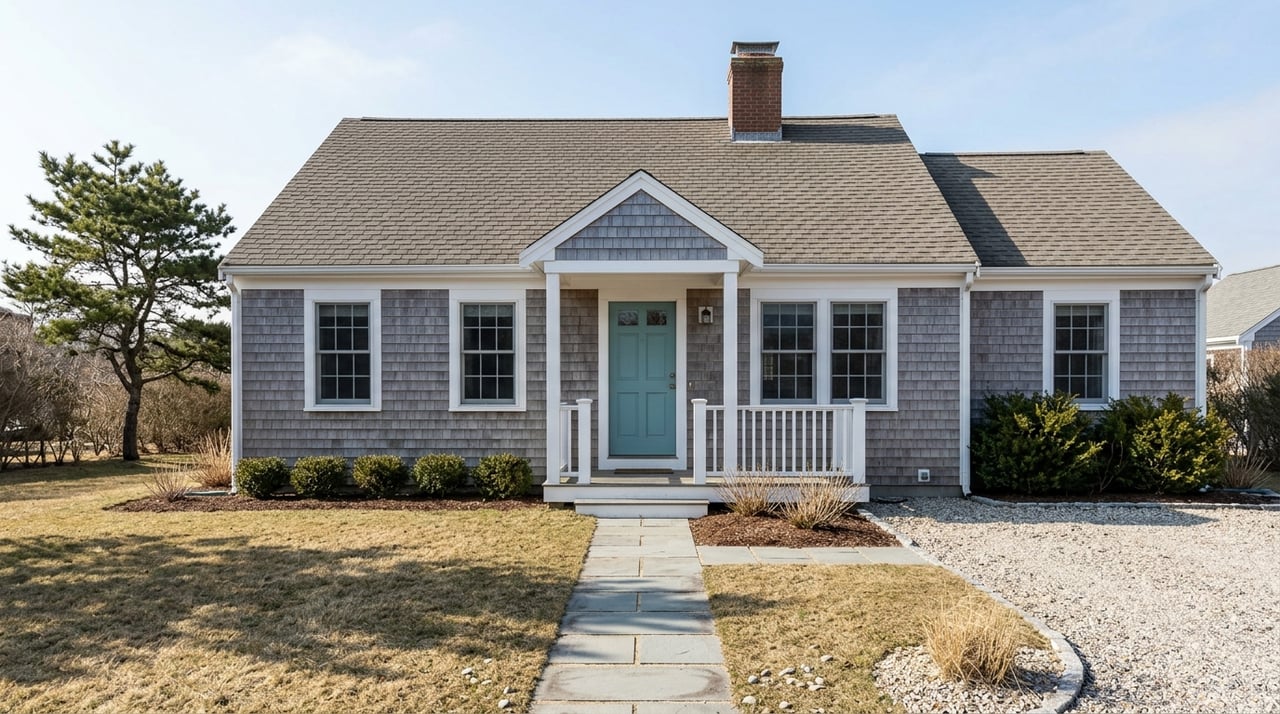
Selling a luxury home on Cape Cod is not just about putting a sign in the yard and waiting for offers. In a market shaped by seasonality, second-home demand, and waterfront complexity, your sale can benefit from careful planning long before your listing goes live. This checklist will help you understand how to prepare your home, your documents, and your launch strategy so you can move forward with more confidence. Let’s dive in.
Why Cape Cod luxury sales need preparation
Cape Cod operates differently from many year-round markets. According to Mass.gov, about 36% of Barnstable County housing units are seasonal, recreational, or occasional use, and Barnstable County communities are designated as seasonal when that share exceeds 35%.
That matters if you are selling a luxury or waterfront home. Your likely buyer may be comparing your property not only with local listings, but also with other second-home options and lifestyle purchases. In March 2026, CCIAOR’s Barnstable County market snapshot showed 464 single-family homes for sale and a median single-family sales price of $770,000, which makes pricing discipline and launch quality especially important.
Start with pricing that reflects the full story
A luxury home valuation should go beyond standard comparable sales. On Cape Cod, buyers often weigh details like water views, privacy, lot size, shoreline position, dock or mooring access, and any flood-related or permitting questions that could affect use and value.
If your property is waterfront or water-facing, every feature needs to be tested carefully. A broad estimate is not enough when value may be shaped by view corridors, elevation, access, and documentation. This is where a detail-driven pricing strategy can protect your position from the start.
Build a pre-listing checklist early
One of the smoothest ways to reduce stress later is to gather key documents before your home hits the market. Serious buyers often move quickly, and a ready file can make your home feel better prepared and easier to evaluate.
A practical Cape Cod luxury seller packet may include:
- Deed or title information
- Survey or plot plan, if available
- Permits for additions, renovations, or shoreline structures
- Septic or Title 5 records, if applicable
- Lead paint paperwork for pre-1978 homes
- Smoke and carbon monoxide compliance status
- Flood-zone or elevation documentation, if applicable
This kind of preparation supports faster answers during due diligence. It also helps your listing present as polished, credible, and well-managed.
Understand Massachusetts disclosure basics
Massachusetts seller guidance says that ordinary residential sellers who are not in the business of selling homes generally do not have an affirmative disclosure requirement, except that they must inform buyers about lead paint on the property. Even so, sellers and agents still need to comply with consumer protection requirements and duties related to known material facts and truthful representation.
In simple terms, accuracy matters. If you know something material about the property, your marketing and communication should be clear and correct. For high-value homes, that level of care is especially important because buyers often ask deeper questions earlier in the process.
Lead paint rules for older homes
If your home was built before 1978, the Property Transfer Lead Paint Notification must be provided to a prospective buyer before signing a purchase and sale agreement, a lease with an option to purchase, or a foreclosure memorandum of agreement. Mass.gov also says sellers and agents must check the state Lead Safe Homes database and disclose known lead information.
If your home falls into this category, do not leave this for the last minute. Getting your records organized early can help avoid delays once a buyer is ready to move forward.
Home inspection rules to plan for
Massachusetts now requires a separate written disclosure before or at the signing of the first purchase contract related to residential home inspections. The state also says sellers or their agents cannot condition acceptance of an offer on a buyer’s waiver of a home inspection except in limited exemptions.
For you as a seller, the takeaway is simple. Inspection planning should happen early. If there are repair items or condition questions that could come up, it is better to think through them before launch instead of reacting under pressure.
Septic timing under Title 5
If your property has a septic system, Title 5 inspection timing should be part of your sale calendar. Mass.gov says you should have the system inspected when you buy or sell a home, while also noting that some limited exemptions may apply, such as certain family or trust transfers.
Because scheduling and paperwork can take time, this is one of the items worth addressing well before you list. It can help keep your closing timeline more predictable.
Smoke and CO compliance before closing
Massachusetts requires sellers to obtain a certificate of compliance from the local fire department showing that smoke and carbon monoxide alarms meet sale or transfer requirements. Mass.gov recommends scheduling this inspection as soon as a closing date is known.
While this step happens closer to the end of the transaction, it should not come as a surprise. Knowing the requirement in advance can help you plan for any updates that may be needed.
Review waterfront and coastal details carefully
Waterfront homes often command attention, but they also bring more layers of due diligence. Mass.gov states that all of Barnstable County is inside Massachusetts’ coastal zone, and Barnstable County advises that any work in a floodplain needs a building department permit. Barnstable Conservation is responsible for protecting wetlands and shorelines.
If your home is in a mapped flood area, buyers may ask for flood maps or elevation-related documentation. These records can help clarify how the property fits within floodplain requirements and may support a smoother conversation once interest builds.
Verify dock and mooring facts
If your home’s value story includes a dock or mooring, make sure you know exactly what is transferable and what is not. Barnstable’s harbormaster regulations state that ownership of waterfront property does not guarantee or imply a right to obtain a mooring permit.
That distinction matters in marketing and negotiation. Clear, factual communication protects you from overstating a feature that a buyer may assume automatically comes with the property.
Prioritize presentation before launch
Luxury buyers often make their first decisions online. NAR reports that 43% of buyers first looked online for properties for sale, and 81% said listing photos were the most useful feature during an online search.
That makes presentation a core part of sales strategy, not an optional extra. On Cape Cod, especially for premium homes, the visual story should highlight light, layout, outdoor living, and any water-facing advantages in a clean and intentional way.
Focus on visible condition
Before photography and showings begin, focus on the details buyers will see first. Decluttering, minor repairs, paint touch-ups, and refreshes to worn finishes can have an outsized impact because they influence how buyers read the home’s condition overall.
For a coastal property, this often includes:
- Simplifying rooms so scale feels clear
- Opening sightlines to windows and views
- Refreshing paint where needed
- Improving entry sequences and curb appeal
- Making decks, terraces, and outdoor spaces photo-ready
- Cleaning up shoreline-facing or view-oriented areas
The goal is not to erase character. It is to let the home’s strongest features stand out without distraction.
Use staging strategically
Staging can be especially useful in the luxury tier. NAR’s 2025 Profile of Home Staging found that 83% of buyers’ agents said staging makes it easier for buyers to visualize a property as their future home, and more than a quarter of real estate professionals said staging their sellers’ homes resulted in 1% to 10% more in offered dollar value.
For your sale, staging should support clarity and mood. It should help buyers understand how spaces live, where the light lands, and how the home connects to the Cape Cod lifestyle they are seeking.
Invest in professional photography
Your launch package should be photo-first. Buyers often spend significant time online before they ever schedule a showing, and NAR’s 2024 profile says buyers spent a median of 10 weeks searching and viewed a median of seven homes.
That means your listing photos need to do real work. Accurate room shots, clean composition, strong daylight images, and a cohesive visual narrative can help your property compete from the very first scroll.
Sequence your launch for maximum impact
On Cape Cod, timing matters because buyer activity is shaped by seasonal patterns and second-home demand. A rushed launch can make even a strong property feel underprepared, while a thoughtful debut can create momentum early.
Your first days on market should ideally include:
- Complete photography and visual assets
- Flexible showing access where possible
- A clear pricing strategy
- A ready-to-share document packet
- A home that is repaired, styled, and clean
When buyers see both polished presentation and organized documentation, they often feel greater confidence moving to the next step.
Think of a seamless sale as presentation plus compliance
The strongest Cape Cod luxury sale is usually not powered by aesthetics alone. It is driven by a combination of market-aware pricing, polished visuals, early repair decisions, and documentation that supports a smoother due diligence process.
That is especially true in Barnstable County, where seasonal demand, coastal regulations, and waterfront features can all shape buyer behavior. If you prepare your home with both beauty and accuracy in mind, you give yourself a better chance at a confident and efficient sale.
If you are preparing to sell a luxury or waterfront property on Cape Cod, Christa Zevitas offers a hands-on, presentation-first approach that pairs staging, photography, valuation, and careful transaction management to help you move forward with clarity.
FAQs
What should luxury sellers on Cape Cod do before listing?
- Start with pricing, gather property documents, review repair needs, plan staging and photography, and organize any compliance items such as lead paint, septic, flood-related, or smoke and CO requirements.
What documents help a Cape Cod home sale go more smoothly?
- Useful documents may include deed or title information, a survey or plot plan if available, permits, Title 5 records, lead paint paperwork for pre-1978 homes, smoke and CO compliance status, and flood-zone or elevation documents if applicable.
Do sellers in Massachusetts have to disclose problems with a home?
- Massachusetts says ordinary residential sellers generally do not have an affirmative disclosure requirement except for lead paint, but sellers and agents still must comply with consumer protection rules, known material facts, and truthful representation.
When is a Title 5 septic inspection needed in Massachusetts?
- Mass.gov says a septic system should be inspected when you buy or sell a home, although limited exemptions may apply in certain situations.
Do waterfront homes in Barnstable County need extra preparation before sale?
- Yes. Waterfront and coastal homes may involve added floodplain, shoreline, wetland, permit, dock, or mooring questions, so it helps to verify records and confirm what features are actually transferable before marketing begins.