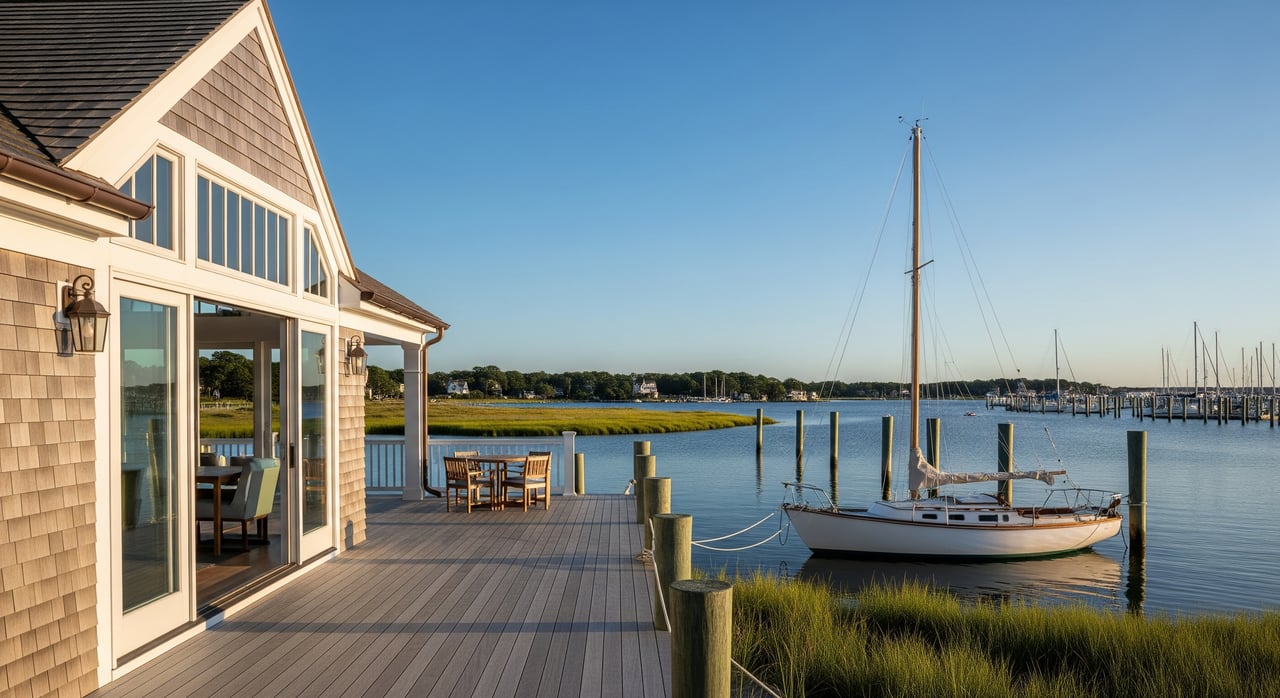
If your Cape Cod dream includes stepping aboard minutes after breakfast, the neighborhood you choose in Barnstable will shape your daily routine and long-term costs. With seven distinct villages and very different harbors, figuring out moorings, marinas, and ramps can feel complex. Here, you will see how boat access differs by village, what permits and waitlists you should expect, and a clear plan to line up the right slip or mooring on your timeline. Let’s dive in.
Barnstable villages for boaters
Hyannis
Hyannis is the region’s commercial hub with the largest public harbors, fuel, boatyards, and commercial marinas. You get the most services and year-round maintenance options, plus ferry access to the islands through the Steamship Authority’s Hyannis terminal. Expect higher activity and more transient vessel traffic in season. If you want convenience over quiet, Hyannis often fits.
Barnstable Village
Centered on Barnstable Harbor and Prince’s Cove, this village offers a maritime feel and local mooring fields. It is quieter than Hyannis, but channel depth and tidal conditions matter for larger draft boats. Navigation marks and mean low water depth should be part of your due diligence. Many buyers choose it for village character and quick harbor access.
Centerville
Centerville connects to Nantucket Sound via the Centerville River with launches, smaller marinas, and mooring fields. It can suit moderate-size recreational boats, though some channels run shallow. Day trips to open water are straightforward when tides line up. Confirm draft and tidal windows for your vessel.
Osterville
Osterville features sheltered coves, yacht clubs, and smaller marinas with many private moorings. Public slip options are limited, and private rights often run through clubs or associations. If you are considering a property with association docks, verify how access is assigned and whether it transfers with title. The protected waters appeal to boaters who prioritize calm anchorages.
Cotuit
On Cotuit Bay, this village has an active community boating scene, mooring fields, dinghy docks, and yacht clubs. Shoaling and tides can affect draft and navigation, so depth checks are essential. It is popular with recreational sailors and power boaters who value community access. Review local chart notes and any dredging updates.
Marstons Mills
This inland village is better for freshwater pond boating and the river system. Public ramps and access points support smaller vessels, sailboats, and kayaks. Ocean access is less direct than in other villages. Match this area with low-draft boats and a trailer-and-launch lifestyle.
West Barnstable
With limited coastal frontage, West Barnstable has fewer marina options. Many residents rely on neighboring villages for slips, service, and storage. The setting is quieter and more rural. Factor travel time to your slip into your plans.
Moorings, marinas, docks: basics
- Municipal moorings and slips are managed by the Town and often prioritize residents. Waitlists are common in busy harbors.
- Private marinas, moorings, and association docks are governed by contracts or HOA documents. Terms vary by location and operator.
- Private shorefront docks require permitting, and new structures or significant repairs typically involve Town and state approvals.
For permits and seasonal renewals, start with the Town’s departments listed on the Town of Barnstable official website. Ask the Harbormaster about mooring permits, licensed installers, inspections, and current procedures. For shoreline projects, the Conservation Commission and state tidelands rules may apply.
How access affects value and lifestyle
- Walk-to-slip convenience often commands a premium. Verify any recorded dock rights or association access in the deed or condo documents.
- Trailer-and-launch setups cost less but add travel and ramp congestion to your day. Check hours, seasonal closures, and parking capacity.
- Flood zones and coastal regulations affect carrying costs and improvements. Factor homeowners and marine insurance into your budget.
- Draft and tide constraints can limit use for deeper boats. Ask for mean low water depths and any dredging schedules that may impact your route.
- On-site services like fuel, haul-out, pump-out, and winter storage reduce time and logistics. Their absence increases maintenance planning.
- Busier harbors have more noise and vessel traffic. Smaller coves may offer quieter waters with more tidal nuance.
12 month buying plan
- Months 1 to 2: Define your vessel needs by length, beam, and draft. Shortlist villages that fit your boating style and service preferences.
- Months 2 to 3: Contact the Harbormaster through the Town of Barnstable site to learn about mooring fields, waitlists, residency policies, and transfer rules. Call target marinas to gauge slip availability and fees.
- Months 3 to 5: Tour properties at low tide to assess approaches and depths. Use NOAA Tides and Currents for local tide windows.
- Months 4 to 6: Request mooring or slip documents from sellers and review HOA or marina rules. Confirm insurance requirements for your vessel.
- Months 6 to 9: If municipal options are waitlisted, line up a short-term private marina slip or trailer-and-ramp plan. Consider making offers contingent on a temporary slip arrangement when appropriate.
- Months 9 to 12: Finalize your purchase and submit any transfer or renewal paperwork promptly. Schedule winter storage or service needs well ahead of deadlines.
Questions to ask before you offer
Harbormaster questions
- Is there a municipal mooring or slip tied to this property, and is it transferable? What is the process and timeline?
- What are current waitlist times for the specific harbor you plan to use?
- Are there residency priorities, inspection requirements, or seasonal rules to note?
- Who is authorized to install and inspect moorings in town?
Marina or HOA questions
- What are the current fees, seasonal dates, and the length of the waitlist?
- Do slip rights transfer with a property sale, and are there transfer fees or membership requirements?
- Which services are included and which are billed separately?
- What insurance minimums and liability coverage are required?
Documents to request from the seller
- Mooring permit or slip agreement, including the permit number and recent renewal receipts.
- Mooring inspection reports and installer documentation.
- HOA, condo, or association rules that govern dock or harbor use.
- Recorded deed language, licenses, or easements that show docking or access rights.
- Any correspondence with the Harbormaster or marina about violations or required work.
Assess depth, tides, and environment
Confirm depth against your boat’s draft at mean low water. Use NOAA Nautical Charts and NOAA Tides and Currents to plan routes and time windows. Environmental protections, including eelgrass and shellfish areas governed by the Massachusetts Division of Marine Fisheries, can influence mooring locations. For regional shoreline planning and resiliency context, consult the Cape Cod Commission.
Where services are most accessible
Hyannis concentrates full-service marinas, boatyards, and fuel, which can simplify seasonal maintenance. Expect more movement from ferries and commercial traffic, especially near the Steamship Authority’s operations. Smaller harbors in Osterville, Cotuit, and Barnstable Village can offer calmer waters with more attention to draft and tide. Choose based on your balance of convenience, service access, and pace.
Your next steps
- Identify your top two villages based on boat type and service needs.
- Call the Harbormaster through the Town of Barnstable site for current waitlists and transfer rules.
- Visit target properties at low tide and review HOA or marina documents early.
- Model total costs, including marina fees, potential assessments, and insurance.
When you are ready to align your home search with the right boat access, get local, disciplined guidance. Connect with Christa Zevitas to refine your shortlist, verify dock and mooring details, and move forward with confidence.
FAQs
How do Barnstable mooring waitlists work for new homeowners?
- Most municipal moorings use waitlists that can range from months to years, with resident priority common; contact the Harbormaster through the Town website to verify current lengths and rules.
What is the difference between a private marina slip and a municipal mooring?
- Marina slips are private contracts with set services and fees, while municipal moorings are permitted by the Town and tied to a vessel and owner, usually with inspection and renewal requirements.
Which Barnstable village has the most boating services?
- Hyannis concentrates fuel, boatyards, and commercial marinas, along with island ferry operations, which makes maintenance and provisioning easier but increases harbor activity.
Can dock or mooring rights transfer when I buy a home?
- Some do and some do not; always request permit numbers and agreements from the seller and confirm transferability and timing with the Harbormaster or marina.
How can I check tide windows and depths before I buy?
- Use NOAA resources for local tides and charts to compare your boat’s draft with mean low water, then visit the property at low tide to confirm access conditions in person.