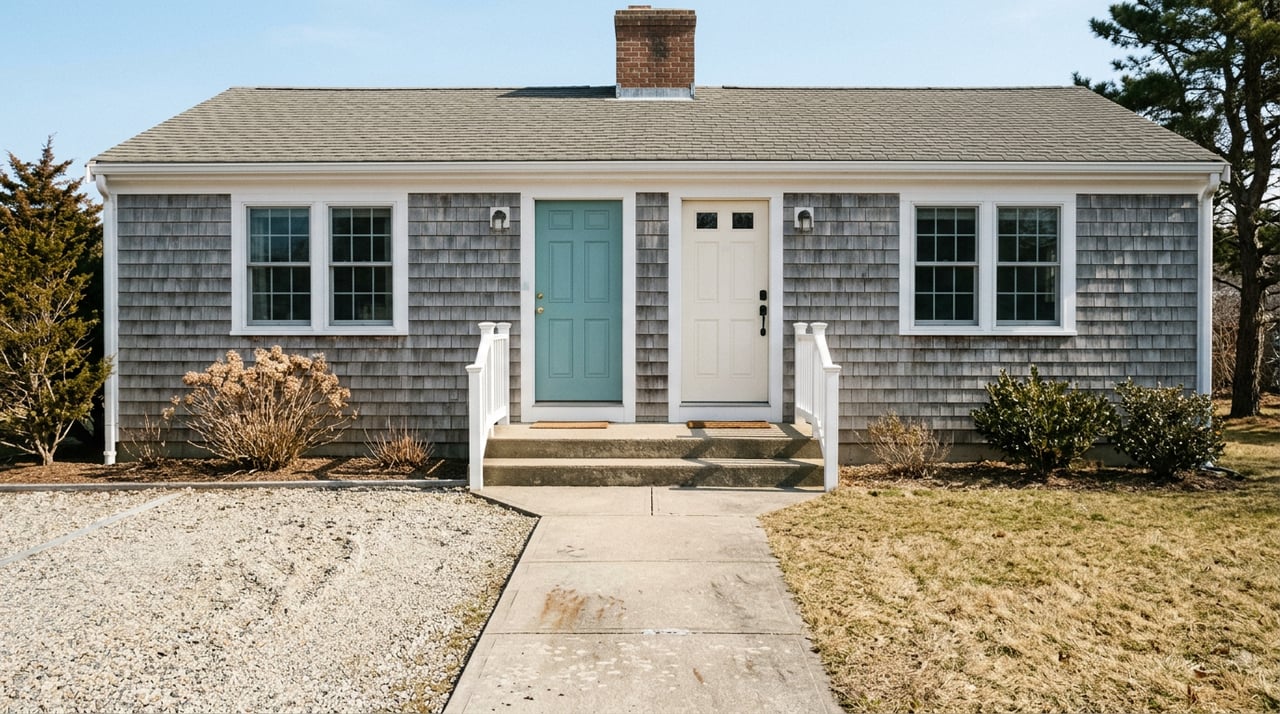
Choosing between a Brewster condo and a classic Cape cottage can feel like picking your favorite beach at low tide. Both bring you close to bay breezes, bike paths, and sunset walks, but they live very differently once you own them. In this guide, you’ll compare real costs, rules, beach access, rental potential, and financing so you can match your Cape escape to your lifestyle. Let’s dive in.
Brewster market snapshot: price context
Across Cape Cod and the Islands, condos typically offer a lower entry point than single‑family homes. According to the 2025 year‑end Cape market report, the median sale price was roughly $790,000 for single‑family homes and $494,500 for condominiums. Waterfront or amenity‑rich condos can command premium prices similar to cottages.
Town‑level numbers for Brewster vary by source and date, and different providers track different snapshots. Use current MLS or CCIAOR town reports for today’s figures, then compare what your budget buys in each property type. The key takeaway: expect a lower average buy‑in for condos, with notable exceptions for prime locations.
Ownership: condos vs cottages
Condos: shared structure, clear rules
With a condo in Massachusetts, you own your unit and a fractional interest in common areas. Documents like the master deed, bylaws, and trustee policies govern how the community operates and what you can and cannot do. For a clear overview of association duties and owner rights, start with the Massachusetts Condominium Act.
What this means for you:
- Monthly fees fund exterior upkeep, landscaping, roads, shared septic where applicable, insurance on common elements, and any amenities.
- Rules may address short‑term rentals, pets, renovations, and parking.
- Special assessments can arise for big projects, so it is essential to read budgets, reserve studies, and meeting minutes.
Cottages: autonomy and full responsibility
A freestanding cottage is fee simple ownership of the house and land. You set the rules on design and use, subject to local bylaws and permits. You also handle all maintenance and carry the full cost of systems like roof, siding, HVAC, well service, and septic.
If you prefer privacy, the option to garden or expand, and you are comfortable managing vendors, a cottage fits well. If you want simplicity and predictable shared upkeep, a condo can be a smoother path.
Ongoing costs to budget
Property taxes
Brewster’s FY2025 real estate tax rate is $6.88 per $1,000 of assessed value. Assessed values can shift with market movement, so review the current assessment for any property you are considering. Use this to build a realistic annual carrying‑cost estimate.
HOA fees and reserves (condos)
Brewster condo listings show a wide range of association fees, roughly $130 to $500+ per month depending on size and amenities. Ask for the current budget, year‑end financials, reserve study, recent meeting minutes, insurance certificate, and any notices of special assessments. Healthy reserves and clear maintenance plans can make condo ownership feel more turnkey.
Maintenance (cottages)
Plan for ongoing items like roof and siding care, painting, heating system service, well testing if applicable, driveway upkeep, landscaping, snow removal, and seasonal winterization for older or seasonal structures. For vintage Cape cottages, factor in potential upgrades to insulation, windows, or structural systems over time.
Septic and watershed requirements
Septic is a Cape Cod essential. Brewster is implementing state updates to Title 5 that focus on nitrogen in sensitive watersheds. In some cases, town watershed permits can pause immediate upgrade requirements, and in some watersheds owners will not be required to upgrade by July 2028 if a watershed permit is in place. Review Brewster’s guidance on the new Title 5 septic and watershed regulations and confirm the exact status for any parcel you are evaluating.
Insurance and flood risk
If a property touches the coast or lies near ponds or wetlands, flood‑zone status can affect your insurance and your lender’s requirements. Pull the exact address at FEMA’s Flood Map Service Center and ask an agent for both NFIP and private‑market quotes. Expect higher premiums for shoreline lots and be sure to compare deductibles and coverage limits.
Beaches, parking, and local lifestyle
Brewster operates 11 Cape Cod Bay beaches, two pond beaches, and one town landing. Summer parking permits are required from June 15 through the Sunday of Labor Day for town beaches, ponds, and landings. First Light Beach is reserved for Brewster residents, pets are restricted seasonally (May 15 to Sept 15), and lifeguards are limited, with coverage at Long Pond Beach only. Check the Town of Brewster beach information page for details and updates.
Condos near water
Many beach‑adjacent condo communities include shared beach access, maintained paths, and dedicated parking. Those costs are reflected in HOA fees, which can be worth it if you want to keep a beach lifestyle simple. Always verify whether access is private to the association or via town facilities, and what rules apply to guests and renters.
Cottages near water
A cottage with deeded or private beach rights is rare and valuable. It also places maintenance and compliance for dunes or shoreline on you as the owner. Confirm legal beach access in the deed, review any private beach association rules, and understand permit requirements for shoreline work. If beach access runs through town landings, learn the parking rules and guest policies before you buy.
Renting your Cape retreat
Brewster has been refining its approach to short‑term rentals. The town formed a Short‑Term Rental Task Force that completed its report, which the Select Board accepted, and the task force was later disbanded after completing its charge. Start your research at the Brewster Short‑Term Rental Task Force page for status and contacts.
Draft bylaw language proposed a registration system with annual renewal, a 24/7 local contact, occupancy limits, inspection authority, fees, and penalties for unregistered operation. It also suggested limits on the number of STRs per owner, for example one per owner with narrow exceptions. Review the draft STR registration bylaw language and confirm the current rules with the Town’s Health Department or Town Clerk before you rely on rental income.
If you plan to rent, remember that operators must comply with Massachusetts lodging taxes, and insurance carriers often require specific STR coverage. Budget for cleaning and turnover logistics, trash protocols, and neighbor responsiveness.
Financing and resale outlook
Condo lending basics
Lenders often require that a condo be “warrantable,” meaning the project meets standards for reserves, owner‑occupancy, and assessment delinquency. A non‑approved project can be harder or more expensive to finance. Share the HOA’s documents with your lender early and ask about project review, limited review, or special programs. For an overview, see Fannie Mae’s condo project standards summary.
Second‑home vs investment loans
Most FHA and VA loans are designed for primary residences, while conventional loans are the typical route for second homes or investment properties. Down payments, rate adjustments, and underwriting differ for a second‑home versus an investment loan, and rental intent can change program eligibility. A quick primer on these differences is here: how FHA, VA, and conventional loans treat second homes. Speak with a local lender before you tour, especially if you are eyeing a condo or planning STR income.
Resale drivers on the Lower Cape
Condos tend to sell within a tighter price band and attract buyers seeking lower maintenance, easy beach access, or specific amenities. Cottages draw buyers who value privacy, land, and long‑term flexibility to add value. On Cape Cod, proximity to water, flood risk, HOA health and rules, and septic status all influence resale. Use current CCIAOR town data and neighborhood comps when you time your purchase or plan upgrades.
A simple Brewster buyer checklist
Use this as a quick reference before you draft an offer:
- Confirm property type and inclusions. Verify condo unit vs single‑family lot and what conveys, including any deeded beach rights, storage, and parking.
- For condos, request the full packet. Master deed, bylaws, minutes from the last 12–24 months, current budget, year‑end financials, reserve study, master insurance certificate, management contract, and any assessment notices. Ask for owner‑occupancy and rental percentages.
- For cottages, vet systems and location. Get a Title 5 inspection report, a recent well test if applicable, and estimates for any known repairs. Confirm whether the parcel lies in a nitrogen‑sensitive watershed and learn the upgrade timeline from the Town.
- Check flood and insurance early. Pull FEMA maps for the address and ask an agent for NFIP and private quotes, plus any STR insurance requirements.
- Validate STR potential. Confirm with the Town that the property is eligible for STR registration, learn the current rules, and note any limits per owner or occupancy caps.
- Understand utilities. Ask whether the property is on town water or a private well, and confirm septic vs municipal sewer.
- Align financing with property type and use. For condos, confirm project warrantability with your lender. For second‑home or investment use, compare down payment and rate differences before you commit.
Ready to compare addresses, rules, and numbers side by side for your Cape escape? Reach out to Christa Zevitas for local insight, curated options, and a calm, clear path from first tour to beach chair.
FAQs
What is the typical condo HOA fee range in Brewster?
- Active listings show wide variation, but many Brewster condos fall roughly in the $130 to $500+ per month range depending on size, services, and amenities.
Do Brewster town beaches require a parking permit in summer?
- Yes. From June 15 through the Sunday of Labor Day, permits are required at town beaches, ponds, and landings; see the Town’s beach page for details on access, pets, and lifeguards.
Can I use a Brewster condo for short‑term rentals?
- It depends on the association’s rules and the Town’s registration requirements; read the condo bylaws and minutes, then confirm current STR rules with Brewster’s Health Department or Town Clerk.
How do septic rules affect buying a cottage in Brewster?
- Brewster is implementing state Title 5 updates focused on nitrogen; watershed permits may adjust upgrade timelines, so confirm if the property is in a nitrogen‑sensitive area and ask the Town about timing.
Do I need flood insurance for a Brewster second home?
- If your lender requires it or the home is in a mapped flood zone, you will need flood insurance; check the address at FEMA’s map site and get quotes to compare costs.